Sri Lanka: The Present and The Past
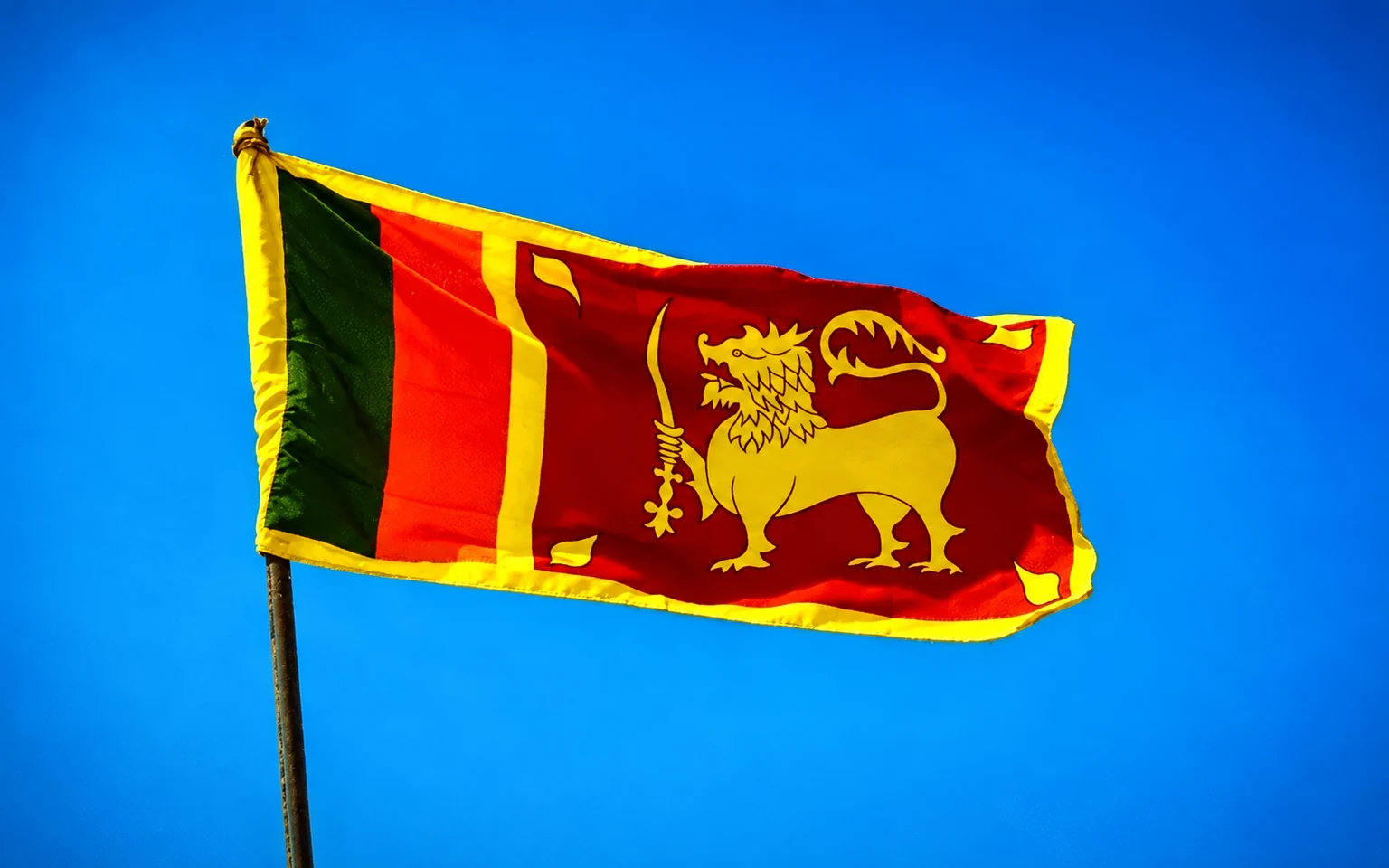
Sri Lanka is an island country close to India and has a lot in common from a socio-cultural perspective. Now it is in the news for an acute financial crisis arising from a heavy debt burden, weak public finances and dwindling foreign exchange reserves, aggravated by the COVID-19 pandemic. Sri Lanka’s foreign exchange reserves are critically low, making it difficult to pay for essential imports.
Agriculture, fisheries, manufacturing and services, including tourism, all contribute to Sri Lanka’s economy. Tea and garments are among its major exports. In recent years, drought had affected agricultural production, while the 2019 Easter Sunday attacks and the COVID-19 pandemic had dealt severe blows to tourism. Sri Lanka’s heavy foreign debt and repayment obligations have deepened its difficulties. In my view, its dependence on Chinese lending raises concerns about its economic sovereignty.
Sri Lanka imports many goods from India and China, even though it has manufacturing industries of its own. India has extended economic assistance to Sri Lanka. Debt relief from creditors, including China, could ease the repayment burden. Support from the International Monetary Fund, alongside debt restructuring and domestic economic reforms, could help the country overcome the crisis.
Having said this, I won’t miss the opportunity to highlight the brighter sides of Sri Lanka as a country. In 2014, I had the privilege to visit Sri Lanka on an official visit. What attracted me most at first sight was the magnificent city of Colombo, Sri Lanka’s commercial capital. Sri Lanka has less than half Odisha’s area and, around the time of my visit, had roughly half its population. But Bhubaneswar is no match for Colombo. The sprawling airport, clean wide roads, tall star hotels and above all the polite and hospitable behaviour of the population make your stay comfortable. The country has marvellous beaches without any crowd, majestic Buddha statues all around, dense forests and wild animals. It’s a tourist’s paradise.
Sri Lanka ranked well ahead of India on the Human Development Index. Literacy was high, toilet facilities were widely available, and almost all reported deliveries took place in health institutions. Sri Lanka’s infant mortality rate and maternal mortality ratio were much lower than India’s.
Women’s visible participation in everyday life impressed me. Women could be seen at cash counters and walking on the streets at night. Sri Lanka provided free education in government schools and free undergraduate places in state universities. At the time of my visit, schooling was compulsory for children aged five to fourteen. Private schools and hospitals existed alongside a substantial public system. Government institutions played a major role in meeting people’s educational and healthcare needs.
Successive governments had recruited unemployed graduates into public service through graduate recruitment programmes. Sri Lanka’s public sector was a major employer. In my view, public employment can help share the benefits of national development more widely. I asked a senior officer about the key to such remarkable progress and his answer impressed me. He pointed out that it was education that had achieved such all-round development in their social life. I fully endorse it.
Education can help people make informed decisions about sanitation and maternal healthcare. In my view, sustained investment in children’s education should accompany programmes such as Swachh Bharat Abhiyan and Janani Suraksha Yojana. Education and accessible public services can together strengthen our socio-economic development.
Odisha’s links with Sri Lanka reach back to ancient Kalinga. Merchants and mariners from Kalinga sailed to Sri Lanka for trade. Some people in Sri Lanka still claim descent from ancient Kalinga.
The Temple of the Sacred Tooth Relic in Kandy is one of Sri Lanka’s most revered Buddhist shrines. According to Buddhist tradition, Princess Hemamala and Prince Dantha brought the Buddha’s tooth relic from Kalinga to Sri Lanka in the fourth century CE. A signboard on the temple walls acknowledges this connection with Kalinga. Another point of interest is Sri Lanka’s sites associated by tradition with the Ramayana, which feature in special tourist itineraries. These places hold particular interest for visitors from India.
I am sure Sri Lanka will sooner or later tide over the present crisis hopefully with the help of India and international donor agencies and move forward as a model in the forefront of human development.
Leave a thought
No account needed. Your name and comment appear publicly after approval.