Subarnarekha: Manoj Das’s Childhood and Creative Journey
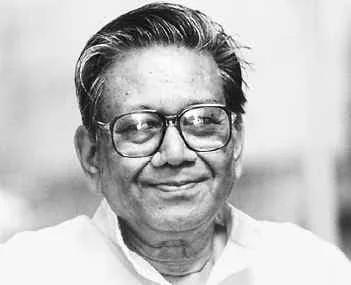
The Subarnarekha has a specific place in Manoj Das’s remembered childhood. In the preface to Chasing the Rainbow: Growing Up in an Indian Village, he names Jamalpur on the river among the places associated with his early years. His account also includes Sankhari by the sea, Gunupur, Jaleswarpur and Mirgoda. This is a childhood geography made up of several places, rather than a landscape shaped by one river alone.
Manoj Das explains that some people and events recalled in the memoir had also entered his fiction. In Befriending the Dangerous, he remembers visiting his sister’s village during a flood and growing attached to a tiger cub whose mother had been killed. The cub sleeps on his chest, and his grief at its later death reveals the depth of that affection.
What moves me most is the innocence and vulnerability of that bond—a small boy offering comfort to an orphaned creature in a village isolated by floodwater. When the cub sleeps on his chest, it symbolises a trust that crosses the distance between human and animal. This suggests that a childhood memory enters a story not as a cold, factual record, but as an emotional seed. The warmth of that affection and the grief of losing it survive the passage of time. The adult imagination can give them another form while remaining close to what the child felt.
In a 2011 interview, Manoj Das connects this childhood experience with The Fourth Friend, where the tiger is fully grown. He recognises his own feeling for the animal in the fiction. Here, a remembered attachment takes another form without losing its emotional closeness.
For me, the Subarnarekha belongs first to this remembered world. It provides a point of connection between a writer’s childhood and the imagination through which he later revisits it. An unnamed river in a story need not be this one; fiction has its own geography. The Subarnarekha gives this essay its starting point. The memorable bond between the boy and the cub carries the reflection further, towards the affection and loss through which a place becomes part of a life.
The connection between Chasing the Rainbow and The Fourth Friend makes me think about how vivid childhood impressions acquire a life in literature. Beyond the bond with the tiger cub, the remembered world includes the sea, village life and the stories people tell. Sankhari by the sea belongs to that world. I see in this coastal setting a reminder of human vulnerability before the vast, unpredictable rhythms of nature.
Village life introduced him to colourful characters, mendicants and people whose stories brought wonder into ordinary life. In these recollections, the everyday world seems close to the supernatural or the miraculous. I am drawn to the child’s openness to that possibility. The flood that surrounds the encounter with the cub also makes me think about how danger can reveal unexpected bonds of compassion between humans and animals. Such moments test resilience, but they can also disclose tenderness.
When these memories enter fiction, they need not remain a strict record of what happened. For me, they become emotional touchstones through which the subtle poetry of rural life can be felt.