From Soil to the Sky: Reading Sachi Routray’s Baji Rout
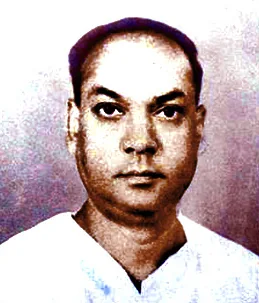
Sachi Routray’s iconic poem Baji Rout set against the backdrop of the freedom struggle offers a concrete starting point for considering how poetry can transform private grief into a resonant public call. The poem honours a twelve-year-old boatboy who defied British rule and was killed in 1938. It reaches beyond eulogy. Its opening sequence delicately balances stark, mythic images of fire and darkness with a small, deeply familiar light: the evening lamp burning beneath a tulasi plant. Drawing on the English translation by Sangram Jena and Aurobindo Behera from the 2024 multilingual edition, we can trace how Routray constructs a bridge between the intimate hearth and the larger struggle for liberation.
At the very beginning of the poem, the fire of a funeral pyre is re-envisioned not as an ending, but as an enduring flame of freedom. The structural movement of this image is essential to the poem's political and emotional force. Fire belongs first to a physical death and to the immediate circle of those who mourn it—it is an emblem of loss, body, and ash. Yet, through Routray’s poetic turn, the flame is given a life beyond that mortal moment. The poem gives the fire a purpose beyond mourning, turning it into a continuing call for liberation.
By redefining the pyre, the poem insists that loss is not a quiet event to be buried in silence, but a moral challenge that a wider community must face. The movement from physical burning to collective awakening gives grief a public purpose. Mourning does not remain a passive experience; it becomes a catalyst for defiance.
Set directly alongside this revolutionary fire is the image of the evening lamp beneath the tulasi plant—a ritual familiar in many Odia homes. This contrast brings the vast, historic scale of the poem back down to the quiet rhythm of home.
As a poet, this image stirs a quiet reverence within me. The tulasi plant represents sanctity, domestic continuity, and the gentle labour of daily devotion. To place a fragile oil lamp at its base is a familiar ritual, yet set against the raging funeral pyre, its brief brightness takes on a profound resonance. I read this as a way of holding the brevity of a young boy's life together with the persistence of his meaning. The small, trembling flame of the tulasi lamp reminds us of the vulnerable, innocent life that was cut short, while the pyre asserts the unyielding magnitude of his sacrifice. The domestic image roots the larger national appeal in ordinary, lived human experience—ensuring that the ideal of liberation never loses its human heart.
For me, Sachi Routray is a pioneer of modern Odia poetry. His wide canvas reflects the society of his time and its conflicts. His poem on Baji Rout leaves a legacy that continues to this day. In remembering the boy, we also remember the poet who gave his sacrifice this enduring voice. The poem holds a distinct place in Odia literature, carrying the grief of that moment to later readers.